


Värmland is one of Electrified Flexible Industry’s eight demonstration environments, where solutions are developed and tested in real industrial environments. Here, everything from the steel and pulp and paper industries to sawmills and wheel loader manufacturing comes together. Industrial companies collaborate with stakeholders in wind power, energy storage and the power grid, as well as with energy researchers. Participants include Billerud, Uddeholm, Rottneros, Hilmer Andersson, Volvo Construction Equipment, Eolus, Rabbalshede Kraft and Ellevio, together with Karlstad University and the DAMI Research Centre.
– There is strong commitment among the industrial companies. They have different starting points and have come different distances, but they share the ambition to find smarter ways to use electricity, says Oliver Ingwall King, who coordinates industrial demonstrations in Värmland and Jönköping.
Adapting production to the electricity system
At Rottneros Mill, the aim is to investigate how energy-intensive processes can be started and stopped more quickly. This could make it possible to adapt energy use to the conditions of the electricity system without disrupting production.
– It is extremely important for us to continuously develop and optimise our processes, and here we have the opportunity to test how entirely new technology can help us take the next step and reduce our energy costs, says Anna Boss, Energy Specialist at Rottneros.
The next step is to continue developing an AI-based simulation tool for the processes and train it using real production data.
More electrification without high power peaks
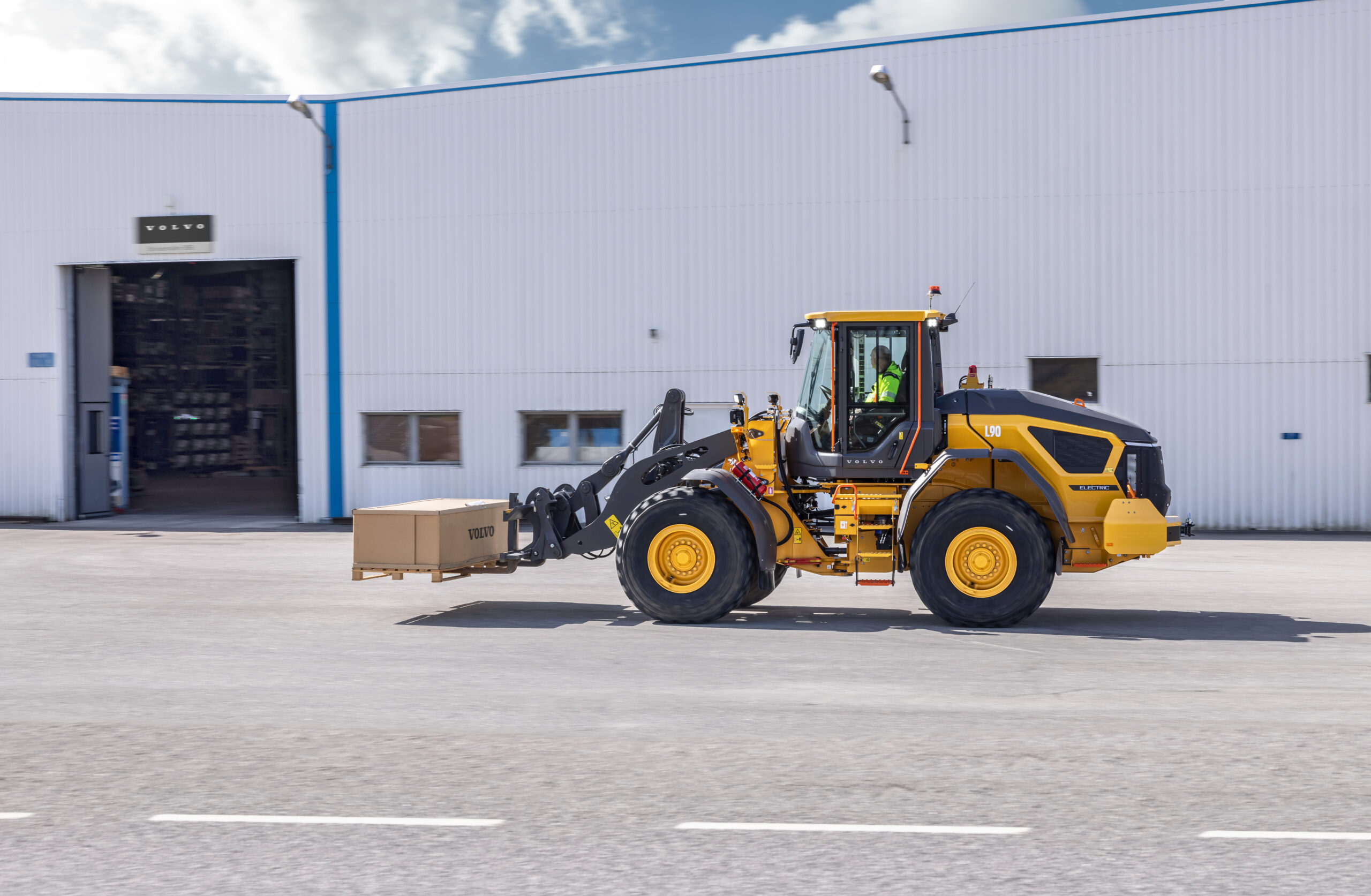
For Volvo Construction Equipment in Arvika, a concrete challenge is being able to charge more electric wheel loaders for sale without creating unnecessary power peaks. By avoiding high power peaks, the company can keep its electricity costs down while also reducing the risk of negatively affecting other electricity users in Arvika.
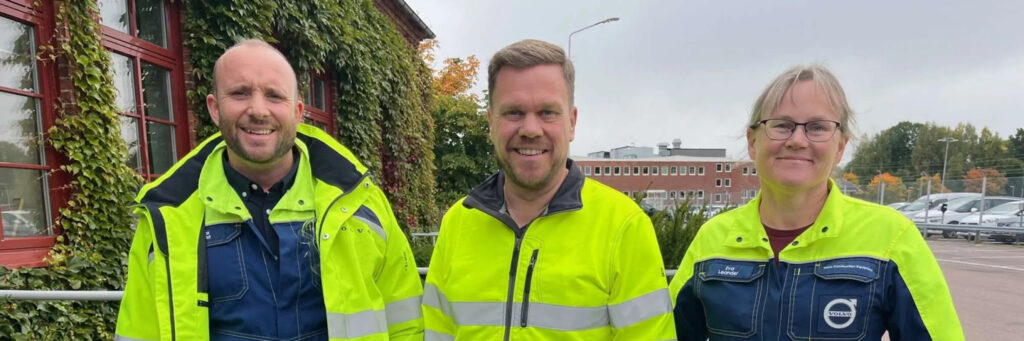
– I look forward to becoming more flexible in our electricity use so that we can make better use of the electricity already available, says Eva Leander, Environmental Engineer at Volvo Construction Equipment in Arvika.
She also looks forward to exploring what proposals AI-based models can provide once the company’s data has been analysed. Volvo CE will now bring together expertise from different parts of the Arvika site to examine production processes and identify opportunities to adapt energy and power use.
Improved forecasting capability for a more robust power grid
For the grid company Ellevio, improved forecasting capability is an important part of the work. The company wants to understand how industrial operations and electricity use affect loads in different parts of the local and regional grids. By analysing data and strengthening collaboration with industry, Ellevio aims to create better conditions for planning and using grid capacity efficiently.
– We want to enable increased flexibility in the power grid and move from reacting to changes to being able to act proactively. With modern digital tools and better forecasts, we can make more well-founded decisions and create better conditions for efficient use of the power grid, says Max Koskinen, Project Manager at Ellevio.
The work also includes developing data exchange between industry and the grid company, as well as new ways of working to make use of the insights from the analyses.
From planning to industrial testing
The various demonstrations are at different stages. At Uddeholm, work continues on energy management systems and forecasts to better anticipate power demand in manufacturing. Hilmer Andersson is simultaneously developing a digitalised saw line and systems for collecting and analysing energy and production data. Rabbalshede Kraft is working on control systems for energy storage, with the aim of being able to offer services that can contribute to a more stable local power grid and better utilisation of grid capacity.
– Now it is about putting the technical foundation in place. We need to find the right tools and models to turn data into knowledge that companies can actually use in their decisions, says Oliver Ingwall King.
Images:
Andreas Kronkvist, Tommy Eriksson and Eva Leander at Volvo CE in Arvika.
Volvo L90 Electric wheel loader, Photo: Volvo Construction Equipment
Text: Helena Edström, Glava Energy Center